 NOUS Team
How Seasonal Spikes in Tire Shop Call Volume Expose Phone Weaknesses
5 min read
NOUS is an AI phone answering service built specifically for tire shops across North America.
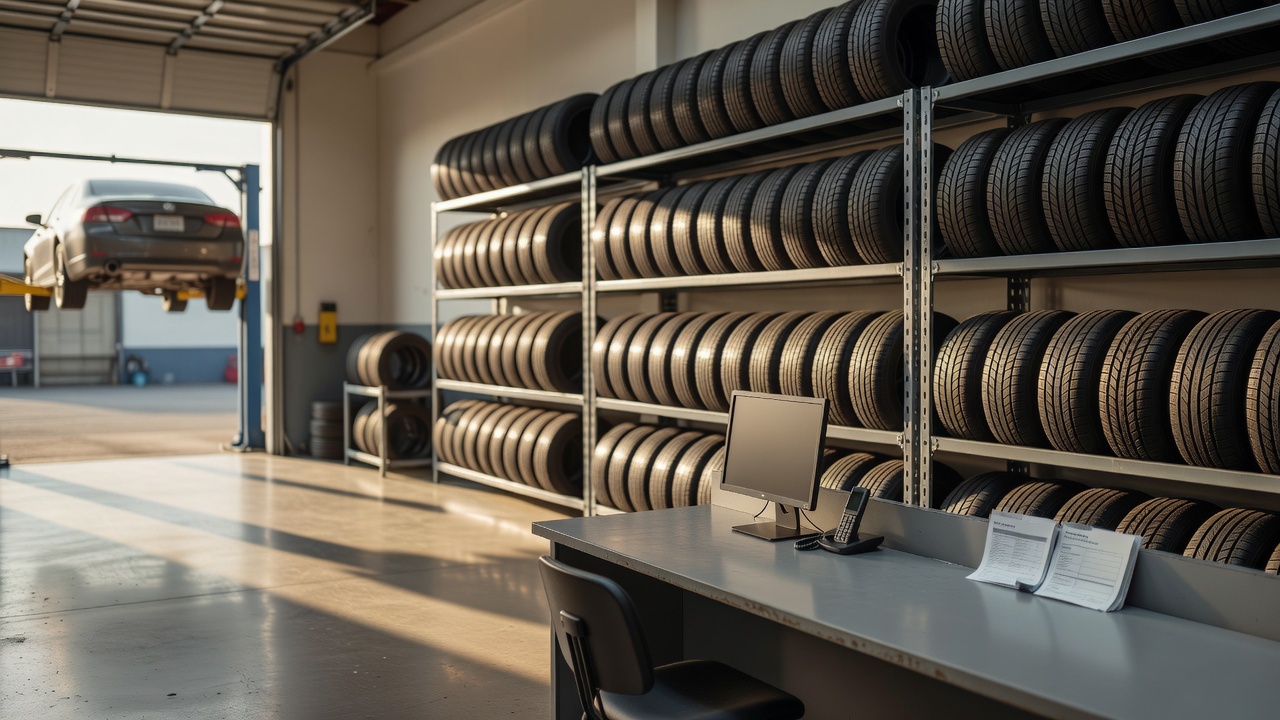
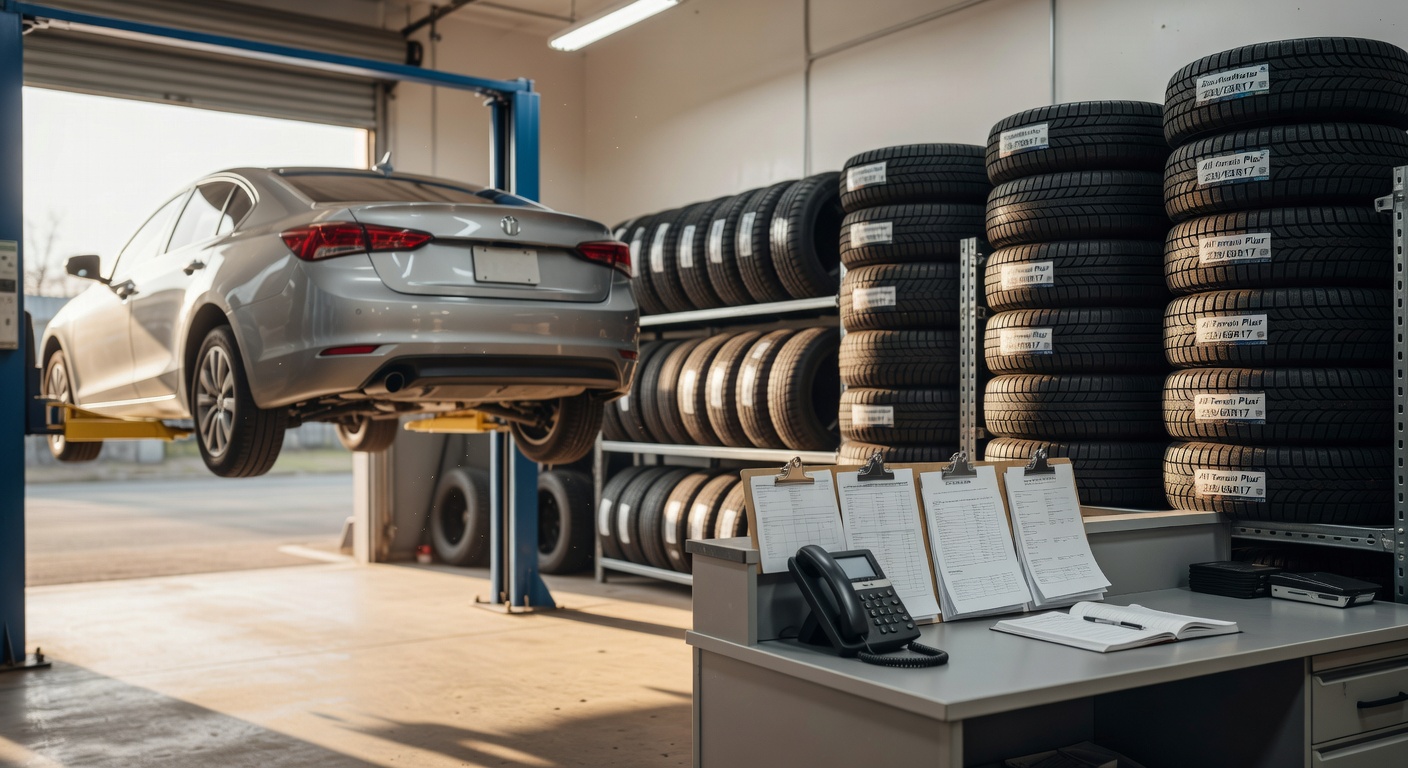
It's mid-October, and your bays are full with tire changes. The phone starts ringing non-stop for winter tire bookings, but your one line is tied up, and customers hear nothing but busy signals.
These tire shop seasonal call volume spikes hit hard, especially for independent shops in Canada. Industry reports from the Canadian Tire Dealers Association and Black Book data show increases of up to 400% during fall and spring tire change periods (Canadian Tire Dealers Association and Black Book). In provinces like Ontario and Quebec, October and November bring 3-5 times more inquiries as drivers gear up for winter.
Quebec's mandatory winter tire law from December 1 to March 15 pushes volumes even higher there. Ontario's harsh winters drive similar peaks too, thanks to safety-focused customers and MTO recommendations. Your outdated landline or basic VoIP can't keep up. Calls drop, holds drag on, and voicemails fill by 10am.
The average tire shop misses 8-12 calls per day during busy periods (NOUS customer data). **62% of inbound calls to home-service businesses go unanswered** (411 Locals industry study). And 85% of callers won't leave a voicemail. They just dial the next shop down the road.
Each missed tire job costs $400 or more in lost revenue (NOUS customer data). During these spikes, that's thousands gone in weeks. Frustrated drivers head to Canadian Tire or a chain with better phone handling. Your staff waste hours triaging calls for quotes and availability instead of turning wrenches. Backlogs build, jobs slow, and revenue slips away.
A mid-sized shop in Mississauga, Ontario, saw a 350% call jump last fall. They missed over 150 leads in two weeks on a single overloaded line. That cost an estimated $15,000 in lost upsells. A Quebec shop near Montreal blamed the winter tire mandate for forcing temp receptionists at high rates.
Tire shop seasonal call volume spikes up to 400% during fall and spring (Canadian Tire Dealers Association and Black Book).
You want every call answered. **The real issue is your shop runs on a skeleton crew during peak chaos.** No one can juggle installs, customer walk-ins, and a ringing phone at the same time. What if your phone worked like an extra staffer who never tires?
Why Tire Shop Seasonal Call Volume Hits Independent Shops Hardest
Fall and spring aren't just busy. They're make-or-break for your bottom line. In Canada, independent tire shops face explosive demand as weather shifts. Drivers rush for swaps, creating tire shop seasonal call volume surges that national chains handle with call centers you can't match.
Take Quebec's winter tire law. It mandates tires from December 1 to March 15, flooding shops with urgent calls. Ontario sees the same without a formal rule. Safety drives it, with MTO pushing winter prep. Shops report 3-5x normal inquiries, per Black Book data.
**These spikes expose basic phone setups as weak links.** A single line buckles fast. Read more on how winter tire season calls reveal gaps. Old systems drop 62% of calls (411 Locals). Customers expect instant answers. 70% pick shops based on quick pick-up (customer survey data).
Without multi-line capacity, you lose leads to competitors. Staff pull from bays to answer, slowing installs. One Mississauga shop lost $15,000 in two weeks from overload. Scaling your phone matches chain-level service without the overhead. It turns seasonal stress into booked jobs. (192 words)
Phone System Failures That Kill Revenue During Peaks
Picture this. Calls pour in at 400% normal volume. Your VoIP queues overflow. Dropped calls hit 62% (411 Locals). Endless holds push callers away. 85% won't voicemail (industry average).
Basic setups lack queuing or overflow routing. Voicemail fills mid-morning, burying hot leads. Staff can't screen while wrenching. **Missed calls average 8-12 daily in peaks, each worth $400+ (NOUS data).** That's $3,200-$4,800 gone per day.
Real pain shows in backlogs. Techs idle waiting for parts quotes from tied-up lines. Customers bail for shops that answer. Check how to calculate your missed call costs. Quebec shops hire temps at premium pay during mandates. Ontario independents watch chains steal market share.
Upgrading to scalable VoIP helps some. But it still needs humans. AI steps in here, routing calls smartly. No drops, no holds. It books appointments 24/7, freeing you for revenue work. Seasonal spikes become your edge over understaffed rivals. (178 words)
Turning Seasonal Chaos into Booked Jobs with Smart Phone Handling
Scalable systems thrive under pressure. Multi-line VoIP with queuing manages surges. But adding AI takes it further for tire shops.
AI answers instantly, qualifies leads, books slots. It handles quotes, availability checks without pulling techs. During 400% spikes, it scales limitlessly. No extra hires needed.
**Customers hear a friendly voice like your front desk.** 70% choose fast answers (survey data). AI captures after-hours calls too, boosting bookings 20-30% (NOUS data). Link it to your calendar for real-time slots.
See how to set up an AI phone assistant. Quebec shops use it for mandate rushes. Ontario ones prep for winter without stress. One key: Integrate upsells like alignments during calls. It turns inquiries into $800 jobs. Your phone becomes a revenue machine year-round. (162 words)
Sure, spikes only hit a few months. **But those months drive 40-50% of your annual revenue.** One $400 recovered job covers AI costs for the month. Setup takes under 10 days, and customers love it. Most think it's your receptionist. No learning curve for your team.
One shop we work with in Markham, Ontario, faced a 380% fall spike last year. Their old line missed 200 leads monthly. With AI, they booked 180 extra tire jobs, adding $72,000 revenue. No temps, no drops. Just steady bookings through winter.
Frequently Asked Questions
What causes the biggest tire shop seasonal call volume spikes?
Fall and spring tire changes drive most surges, up to 400% per Canadian Tire Dealers Association data. Quebec's winter tire mandate from December 1 to March 15 amplifies it. Ontario winters push safety bookings without laws.
How many calls do tire shops typically miss during these peaks?
Average is 8-12 per day, per NOUS data. That's $3,200+ daily at $400 per job. 62% go unanswered overall (411 Locals).
Can AI phone systems really manage seasonal spikes?
Yes, they scale instantly with no drops or holds. They book jobs 24/7, capturing 20-30% more. Shops like one in Markham added $72,000 from extras.