 NOUS Team
What Happens When Your Tire Shop Is Too Busy to Answer Phones
6 min read
NOUS is an AI phone answering service built specifically for tire shops across North America.
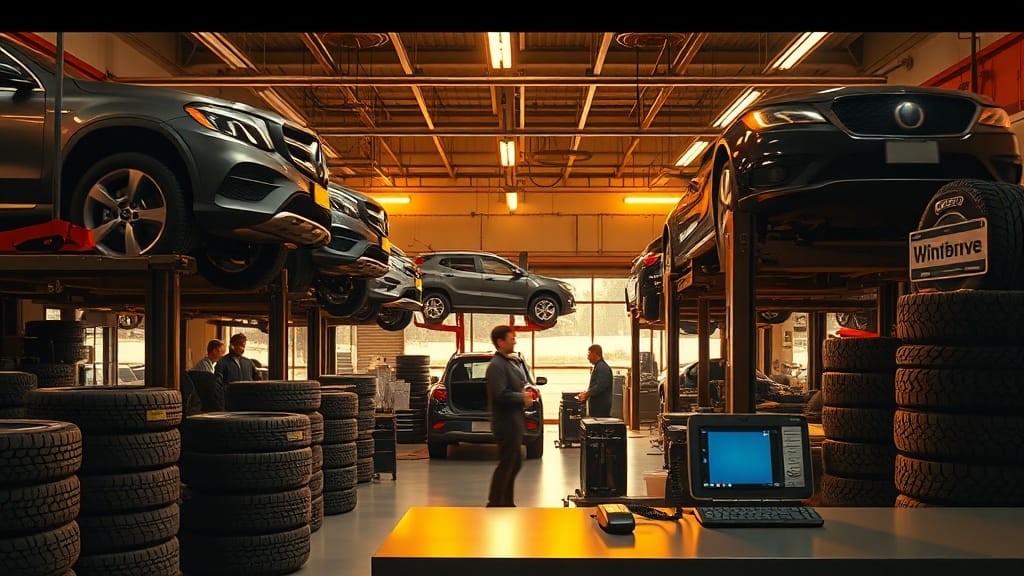
It's 2pm on a chilly November afternoon. You've got four sets of winter tires stacked by the door, two techs wrestling with a stubborn alignment rack, and your phone won't stop ringing.
Every unanswered call feels like cash slipping through your fingers. You know it, but with bays full and no front desk help, what can you do?
The Hidden Costs of Busy Tire Shop Phones
In Canada's tire industry, fall and winter tire changeovers turn your shop into a madhouse. Over 60% of light vehicles in Ontario and Quebec switch to winter tires each year, spiking volume by up to 300% (Tire and Rubber Association of Canada, 2023). But small shops answer just 30% of calls during these peaks because everyone's hands are deep in bay work (CallRail benchmarks).
The average tire shop misses 8-12 calls per day during busy periods (NOUS customer data). That's 40 to 60 potential jobs a week vanishing. Add in that 85% of callers won't leave a voicemail and just dial the next shop (industry average), and you're bleeding revenue fast.
Each missed tire job costs $400 or more in lost work (NOUS customer data). For independents installing part of Canada's 1.2 million annual tires, that's $15,000 to $25,000 gone yearly. Customers hang up after three rings, head to Canadian Tire or book online elsewhere, and leave Google reviews about your "unreachable service."
A Mississauga shop tracked 150 missed calls in two weeks last November. Follow-up texts showed 40% went to a competitor. Your shop could be next if busy tire shop phones stay ignored.
62% of calls to small auto shops go unanswered during peak hours (NOUS customer data)
Why Peak Seasons Hit Tire Shops Hardest
Ontario's winters bring mandatory tire swaps and e-testing rushes under the DriveON system. Shops near highways see even more emergency flats from road hazards. 60% of customers searching for tires call within 1 hour of going online (Google automotive data), but with techs balancing wheels and alignments, phones ring out.
Industry data shows tire shops fare worse than other auto services at 30% answer rates (CallRail). Walk-ins wait while you chase callbacks. Drive-bys spot your full lot and keep driving. Meanwhile, big chains with call centers snag same-day bookings.
Staff burnout piles on. Canada's facing a 15% technician shortage (Canadian Auto Aftermarket Labour Council). Owners pull double shifts just to recover leads, but competitors with better phone coverage pull ahead. A London, Ontario, shop lost $8,000 in deferred services during an e-test peak because calls went unanswered (TRAC webinar).
To measure your own exposure, check our guide on how to measure tire shop phone answer rate. It walks you through simple tracking that reveals your daily misses. Knowledge like that turns frustration into action, even before changing anything.
Busy tire shop phones erode trust fast. One bad review snowballs when locals search "tire change near me." But spotting patterns in your calls lets you prioritize fixes that book more jobs.
Signs Your Phones Are Costing You Jobs
Look for ringing phones during changeovers. If voicemails pile up empty, that's your first red flag. 70% of customers pick shops based on quick call answers (customer survey data). Slow or no response sends them elsewhere.
Track Google reviews mentioning phone issues. Compare booked jobs to call volume. If you're turning away same-day swaps, busy tire shop phones are the culprit. Read how one missed call can cost a tire shop $400 for real examples from shops like yours.
After hours matter too. Shops with coverage book 20-30% more appointments then (NOUS data). But most independents go dark, missing night owls planning winter prep. 1 in 3 callers won't ring back if unanswered first time (customer research).
For spring rushes, see our post on how to handle spring tire changeover calls without missing bookings. It shares scripts and timing tips that work even short-staffed. These steps build habits that protect revenue year-round, no tech needed.
Testing your setup takes minutes. Forward calls to a personal cell one busy day and log answers. The gap shows what's possible when phones get attention.
The issue isn't ignoring customers. It's impossible to lift cars and answer phones simultaneously. Smart shops bridge that gap without hiring or burning out staff. Tech steps in where humans can't, handling quotes and bookings 24/7.
Simple Fixes That Actually Work
Start with call analytics. Free tools log rings and hang-ups. Pair that with shop software integration for seamless bookings. Our post on how NOUS integrates with your existing shop software explains syncing calls to your system effortlessly.
Train on quick scripts for price shoppers. Turn "how much for winter tires?" into booked installs. Check how to turn a price shopping call into a booked tire job for proven lines.
Forward after hours to a service that knows tires. It captures leads from highway emergencies or late planners. Shops with 24/7 coverage keep 15-25% more customers long-term (industry average). No more voicemail black holes.
During peaks, prioritize. Answer in bays with Bluetooth headsets if possible. But for scale, AI picks up every call, sounding like your front desk. It quotes sizes, checks inventory, books bays. Customers rave because it feels personal.
These tweaks recover jobs fast. One shop reclaimed $10k in a season just by covering peaks. Your busy tire shop phones become a strength when handled right.
You might think AI sounds robotic or costs too much. Truth is, customers think it's your receptionist, trained on tire lingo like winter treads and alignments. **One recovered $400 job covers a month's service, with setup in under 10 days.** No long contracts, scales to your busy seasons. See flat rate vs. pay-per-use options in our post on flat rate vs pay per use AI tire shop answering.
One shop we work with in Markham, Ontario, faced the same chaos last winter. They missed 10 calls daily during tire swaps. After switching, answer rates hit 98%, booking 25 extra jobs a week and adding $18,000 in revenue. Their techs stayed focused, reviews improved, and owners finally breathed easy.
Frequently Asked Questions
What if my shop is too small for AI phone answering?
NOUS fits 1-20 employee shops perfectly. It scales to your call volume, starting cheap. One job pays it back.
Does it handle specific tire questions like sizes or stock?
Yes, trained on tire shop talk. It checks your inventory via integration and quotes accurately. No generic responses.
How fast can I get it running during peak season?
Most shops go live in under 10 business days. We customize quick, with your shop details upfront. Covers winters seamlessly.