 NOUS Team
Why Tire Shops Get More Calls After a Snowstorm
5 min read
NOUS is an AI phone answering service built specifically for tire shops across North America.
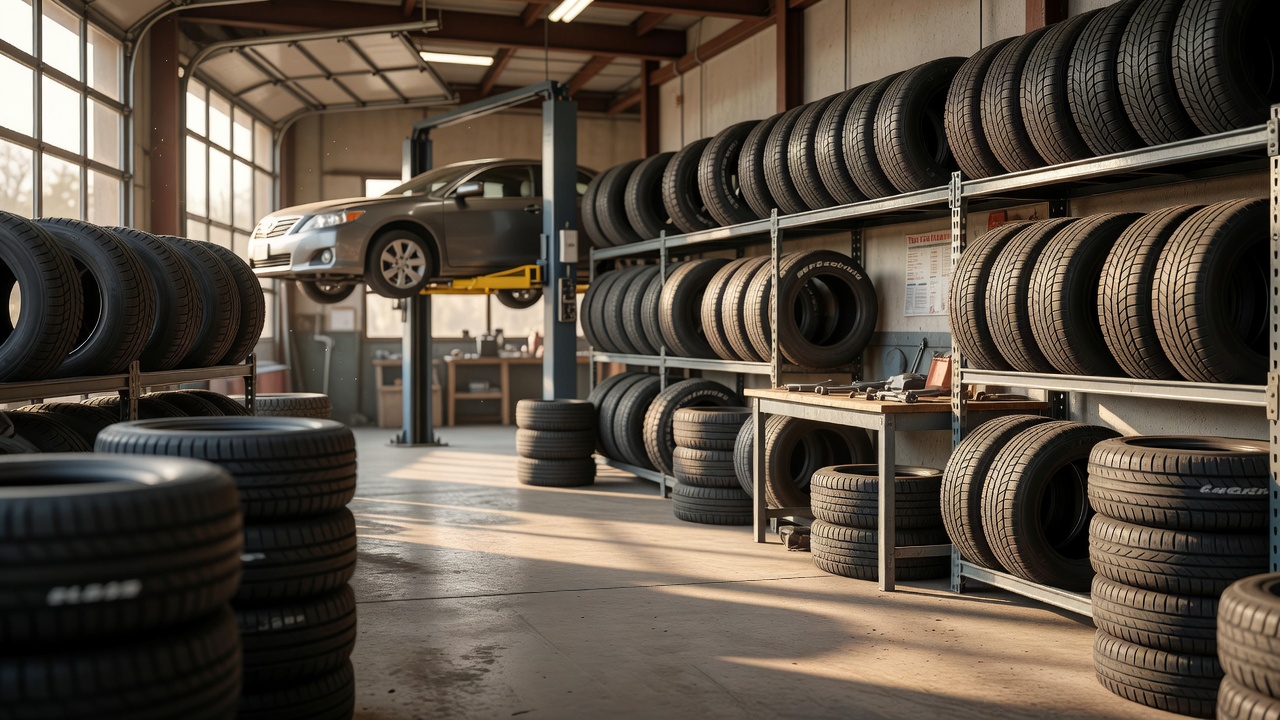
It's the morning after a heavy snowstorm hit your area. Three cars sit in the bays with winter tire swaps already scheduled, your lead tech is pulling rims from the rack, and the phone rings every few minutes with drivers who need help right now.
These calls do not spread out evenly. They hit in waves once the roads clear enough for people to drive again. Shops across Ontario and Quebec see inbound volume jump 40 to 70 percent in the first 48 hours, according to industry reports on winter tire demand. Most of those callers want same-day swaps, flat repairs, or pressure checks before they head back to work.
The Real Cost of Unanswered Calls During the Rush
Shop owners already know the pattern. Lines stay busy for hours while existing customers and new ones try to reach you. The average tire shop misses 8-12 calls per day during busy periods (NOUS customer data). That number climbs fast once the snow starts.
Many drivers will not wait. 85% of callers won't leave a voicemail, they call the next shop (industry average). When that happens during a storm surge, the job moves down the road. One missed tire swap often means $400 or more in lost revenue (NOUS customer data), and the customer may not come back next season either.
The pressure shows up in other ways too. Staff who should be mounting tires end up answering the same questions on repeat. Inventory runs low on popular sizes before the day ends. Word spreads in local groups that your shop could not take new bookings, even though demand was there.
85% of callers won't leave a voicemail, they call the next shop (industry average).
Why the Surge Hits Independent Shops Harder
Chain locations often have larger teams or central call centers that absorb extra volume. Independent shops with 1-20 employees do not. When the first big accumulation hits places like Toronto or Ottawa, the local shop becomes the first stop for commuters who put off winter tires until conditions turned dangerous.
National data from the Tire and Rubber Association of Canada shows winter tire installations spike right after the first major snowfall. In Ontario the temperature swings can turn light snow into ice overnight, so drivers who waited now need service the same week. Shops that already have bays booked weeks out simply cannot stretch further without turning people away.
Why Voicemail Is Killing Your Tire Shop's Growth covers how these missed calls compound over a season. One storm can erase weeks of steady work if the phone keeps ringing unanswered.
How Shops Can Prepare Before the Next Storm
Preparation starts with knowing the weather window. Many owners now watch forecasts two or three days out and send quick email reminders to past customers about winter tire availability. That captures some of the early demand before the rush arrives. It also helps with inventory. Shops that track which sizes moved fastest after the last storm can order ahead and avoid turning customers away for lack of stock.
Staff training matters too. When calls spike, the person at the counter needs quick answers on pricing, wait times, and what the shop can actually book that day. Shops that keep a simple script or checklist near the phone reduce the time each call takes. This keeps the line moving and lets techs stay focused on the work already in the bays.
Another step is deciding in advance how to handle overflow. Some shops add a second line or route calls to a family member at home during peak hours. Others set up basic after-hours messages that still give drivers a next-day callback time. The goal is to stop the 85% who hang up without leaving a message from moving to a competitor.
What Changes When Every Call Gets Answered
Shops that stay reachable during the surge book more jobs without adding headcount. They also protect their reputation in tight local markets where one bad experience travels fast. 1 in 3 customers won't call back if their first call goes unanswered (customer behavior research). Keeping the phone covered means fewer lost opportunities and steadier revenue even when the weather turns.
AI Answering Long Term ROI Tire Shop: How Missed Calls Compound Into Lost Revenue shows how small gaps add up over multiple storms in a winter. The numbers become clear once you track what actually gets booked versus what disappears into missed calls.
One shop we work with in Markham handled the January 2022 storm by keeping every inbound call answered. They booked 22 extra winter tire jobs in two days that would have gone elsewhere. The owner later noted that the extra revenue covered more than a full month of their phone coverage cost. The same pattern repeats after every heavy snowfall in the region.
One Recovered Job Covers the Month
Some owners worry that adding phone coverage means extra monthly cost. The math is simple once you look at one storm. A single tire job that would have been lost pays for the full month. Customers do not know they are talking to anything other than your normal front desk, so the experience stays the same while the shop captures work that used to slip away.
Frequently Asked Questions
How fast do calls increase after a snowstorm?
Volume can rise 40 to 70 percent within 48 hours once roads are clear. Most callers want same-day service, so the spike hits quickly and lasts two to three days.
Can an AI system answer questions about tire sizes and pricing?
Yes. The system is trained on your shop's actual inventory, pricing, and appointment rules so it gives accurate answers without pulling staff away from the bays.
What happens to calls that come in after hours during a storm?
Every call is answered and the caller receives a clear next-day callback window or same-day slot if one opens. This stops drivers from moving to the next shop on the list.